Article: Rolex Authentication in Montreal and the Professional Authentication Process
Rolex Authentication in Montreal and the Professional Authentication Process
Having a Rolex authenticated in Montreal means asking a specialist to open the watch to check the caliber, the serial number, the finishing, and the original parts. This professional inspection tells you whether the watch is genuine, modified, or counterfeit before you buy or resell it.
Buying a Rolex is a significant investment, and a single mistake can be very costly. Having your watch authenticated in Montreal protects you from that risk by confirming that the watch you want to buy is genuine and matches its reference.
The secondhand market is booming, but it also attracts a growing number of very well-made counterfeits. This guide walks you through every step of professional authentication, what the expert actually checks, and how to choose a reliable service before entrusting your watch to anyone.
Why have a Rolex authenticated before buying
Counterfeiters have become highly skilled. Today, some copies perfectly replicate the proportions, weight, and even the dial markings. To the naked eye, telling a genuine piece from a fake becomes difficult.
The most common trap is the hybrid watch, also known as a "frankenwatch." It's a genuine Rolex case fitted with a generic movement or parts taken from other models. Even though it looks real, this watch loses almost all of its value.
Having your Rolex authenticated protects both your money and your peace of mind. It secures not only the purchase but also the resale, since a certified watch sells more easily and at a better price. Before you begin, it's worth consulting an expert broker's guide to properly understand the local market.
The steps of the professional authentication process
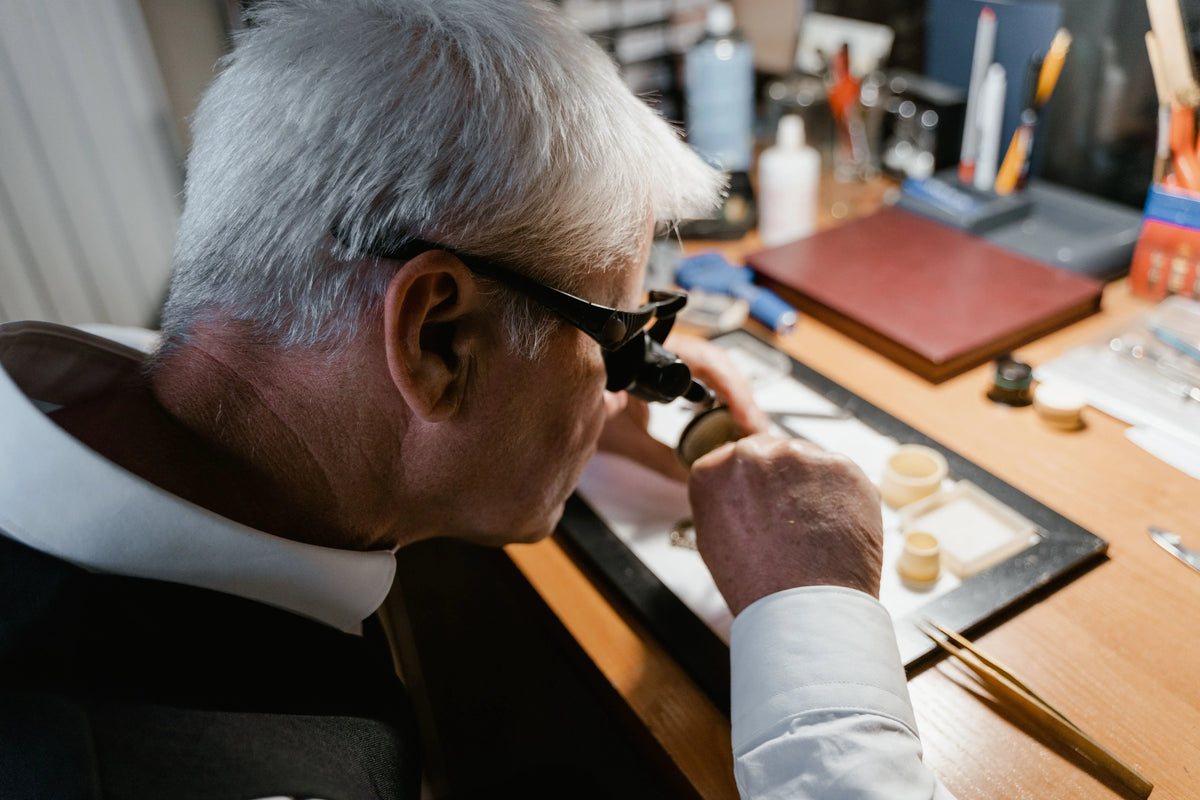
A serious authentication is never done lightly. It follows a precise method, using specialized tools such as a microscope, a watchmaker's loupe, and a water-resistance testing device.
Movement and caliber analysis
The movement is the key element. The expert opens the case back to verify that the caliber matches the stated model and year. A genuine Rolex movement shows flawless finishing, crisp Geneva stripes, a signed rotor, and perfectly executed engravings.
Each caliber also carries a number different from the one on the case. A generic movement, one that is noisy, or a seconds hand that ticks instead of sweeping smoothly, immediately signals a counterfeit.
Checking the serial number and reference
The serial number is located between the lugs at 6 o'clock, and the reference at 12 o'clock. The engraving should be deep, precise, and consistent with the production period. A correct number that is engraved too shallowly is a warning sign, since counterfeiters sometimes copy genuine numbers found online.
The expert then cross-checks all this information to confirm that the case, the movement, and the documents are consistent. To learn more, this guide on decoding the serial number explains how dating works.

Inspecting the components and finishing
This is the stage where hybrid watches get caught. The specialist checks every element, from the dial to the hands, down to the small bracelet screws, to confirm they are all original. They look for the slightest suspicious repair, replacement part, or trace of modification.
Water-resistance testing and sealing
After the case is closed back up, a pressure test checks water resistance and confirms that the case back has been properly sealed. This step also proves that the watch was handled according to proper standards.
Here are the points systematically checked during a complete authentication:
- Match between the caliber and the model's reference
- Engravings of the serial number and reference between the lugs
- Authenticity of the dial, hands, and hour markers
- Consistency between the case and movement numbers
- Water resistance and proper sealing of the case back
What an expert examines on a genuine Rolex
Some signs are easier to spot than others. The table below summarizes the main points to check and the warning signs.
|
Seconds hand |
Smooth, nearly silent sweep |
Jerky movement, audible ticking |
|
Serial number |
Deep, crisp, laser engraving |
Shallow or blurry engraving |
|
Movement |
Careful finishing, signed rotor |
Generic caliber, no signature |
|
Weight and materials |
Solid heft, quality steel |
Watch that feels unusually light |
|
Date magnifier (cyclops) |
Sharp, centred magnification |
Poorly magnified or off-centre date |
|
Documents |
Consistent with the engravings |
Isolated, non-matching papers |
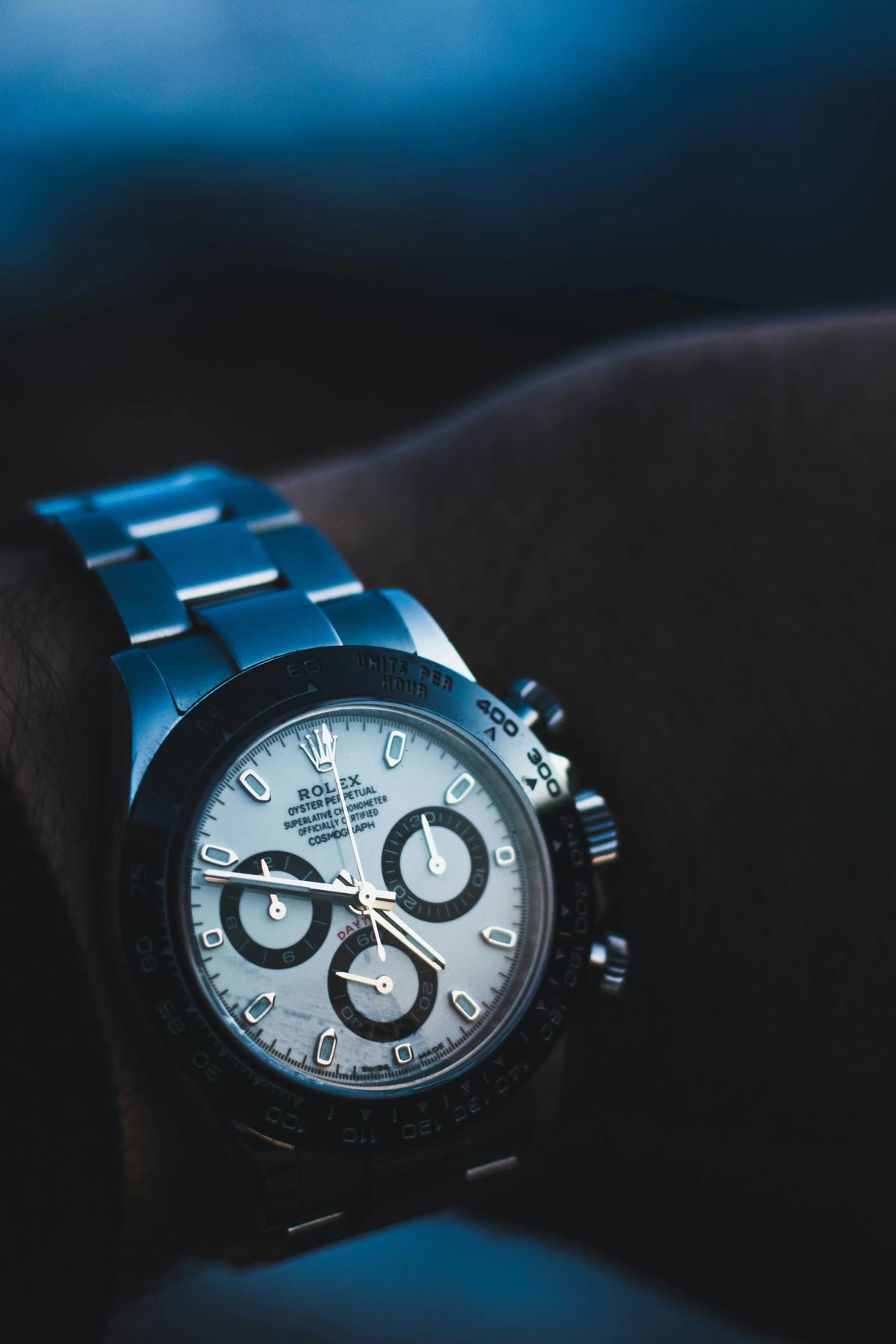
The watch also displays "Superlative Chronometer Officially Certified" on its dial. This certification guarantees an accuracy of -2/+2 seconds per day, a higher standard than simple movement certification.
Before finalizing the purchase of a prestige watch, take the time to have every component authenticated by a recognized specialist. It's the best possible protection for an investment of this value.
Rolex authentication in Montreal: what sets a reliable service apart
Not all services are equal. A credible professional relies on a team of experts, appropriate equipment, and a verifiable reputation. They explain their method, give a clear opinion, and never hesitate to open the case in front of you or document their findings.
Real market experience matters just as much. A Rolex authentication in Montreal carried out by connoisseurs who buy, sell, and handle iconic models like the GMT-Master II Pepsi every day offers a far sharper read on manufacturing details and year-to-year variations.
This expertise also serves you the day you want to resell your watch: a solid authentication file reassures the buyer and speeds up the transaction. And if you're still in the research phase, it's best to first learn how to buy a Rolex with confidence.
Finally, in the event of a dispute with an unscrupulous seller, know that Quebec law governs these situations. You can resolve a dispute with a merchant and assert your rights when a good does not match what was promised to you.
Conclusion
A Rolex authentication in Montreal remains the safest approach for buying or reselling a prestige watch with peace of mind. By opening the case, analyzing the caliber, and cross-checking every number, the specialist turns a risky decision into an informed choice. Faced with ever more skillful counterfeits, this rigor makes the difference between a good deal and a costly disappointment. Before your next purchase, book an appointment with a qualified professional to authenticate your piece and secure your investment for the long term.
FAQ
How much does a Rolex authentication cost in Montreal?
The price of a Rolex authentication in Montreal varies depending on the model, the watch's age, and the depth of examination requested. A complete inspection includes opening the case and checking the caliber, the serial number, and water resistance, which takes time and specialized equipment. Ask for a clear quote beforehand and confirm what the service covers before entrusting your watch to a specialist.
Do you need to open the case to authenticate a Rolex?
Yes, opening the case is the most reliable step for authenticating a Rolex. The exterior markings and the serial number are easy to copy, but the movement almost always reveals a counterfeit. By examining the caliber, its finishing, and its engravings, a certified watchmaker can confirm that the watch actually contains the original parts expected for that model and year, rather than a hidden generic movement.
What documents come with a genuine Rolex?
A genuine Rolex comes with its warranty card, pouch, box, and sometimes the original invoice. These documents help trace the watch's history, but they aren't enough on their own, since they can be falsified or come from a different watch. An expert always cross-checks these papers against the numbers engraved on the case and movement to confirm everything is consistent.
How can you spot a fake Rolex yourself?
Some signs are visible to the naked eye: a seconds hand that ticks instead of sweeping smoothly, shallow or blurry engravings, a watch that feels too light, or a poorly adjusted date magnifier. These clues should raise a flag, but they don't replace a professional examination. High-end fakes imitate the exterior very well, so only a specialist can truly settle the question by inspecting the movement.